
Meet the New RV Owner: Demographics That Will Shape Your Storage Business
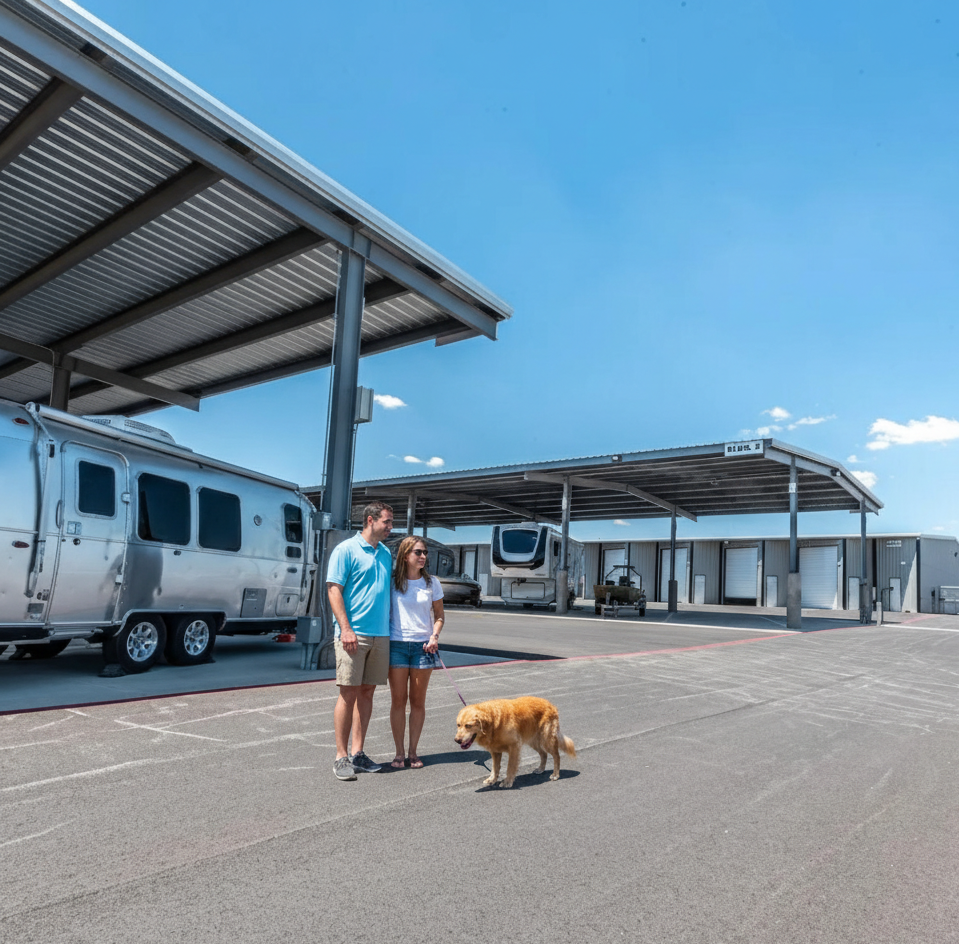
The RV market has stabilized after its pandemic rollercoaster, but here's what many storage operators are missing: the type of RV owner has fundamentally changed. While total ownership numbers declined from 11.2 million households (2021) to 8.1 million (2025), the demographic revolution happening within those numbers is reshaping what successful storage facilities need to look like.
If you're still designing your facility and marketing strategy around the stereotype of retired Baby Boomers driving Class A motorhomes, you're leaving serious money on the table. Let's meet your actual customers.
The Demographic Revolution: Say Hello to Your New Customers
While overall ownership numbers declined, the type of RV owner has fundamentally shifted. And if you're not adapting your facilities and marketing to this new demographic, you're missing the boat (or the fifth wheel, as it were).
Getting Younger Every Year
The graying of the RV industry? That's so 2010.
Median age dropped from 53 to 49 (four years younger in just four years!)
The 35-54 age bracket now represents 46% of owners — the sweet spot of earning power and adventure seeking
The 18-34 crowd jumped from 8.5% (2018) to 22% (2025) — that's nearly tripling in seven years
Storage implications: Younger owners expect digital convenience. If your facility still requires walk-in payments and paper contracts, you're fighting an uphill battle. Online booking, app-based access, and digital payment systems aren't "nice to have" anymore — they're table stakes.
Also, these folks are on their phones constantly. Instagram-worthy facilities with clean aesthetics actually matter to this demographic. That cracked asphalt and rusted fence? It's not just an eyesore — it's costing you customers who are comparison shopping on Google Maps before they ever visit.
Diversity Is the New Normal
The industry used to be 85% white. Not anymore.
"Growth audiences" (Hispanic-Americans, African Americans, Asian-Americans, and LGBTQ+) now represent 30% of RV owners — up from essentially zero growth just a few years ago. Among recent first-time buyers, the numbers are even more striking:
13% identify as Black (vs. just 2% of long-time owners)
6% identify as Hispanic or Latino
5% identify as Asian
What storage operators need to know: Your marketing materials, website imagery, and community outreach should reflect this diversity. Storage facilities in diverse neighborhoods or near Hispanic and African American communities should be actively marketing to these growing segments. This isn't just about social responsibility — it's about capturing market share in the fastest-growing customer segments.
Consider partnerships with multicultural RV clubs, Spanish-language marketing materials in appropriate markets, and representation in your customer testimonials and promotional photos. The families making purchase decisions in 2025 want to see themselves reflected in your business.
The Remote Work Revolution
Here's a stat that should make every storage facility owner's ears perk up: 22% of RV owners now have someone in their household who works remotely, and 54% of those remote workers have done work from their RV.
Translation? These aren't weekend warriors. These are people who might take off for a month, work from national parks, then come back and need a secure place to store their mobile office.
Storage strategy: Consider amenities that cater to this crowd:
Reliable Wi-Fi at your facility for quick check-ins or emergency access
Electrical hookups so they can keep batteries charged and systems maintained
In-unit camera monitoring or systems like Storage Defender that let tech-savvy owners check on their RV remotely via smartphone app
24/7 digital access to maintenance records and service scheduling through an integrated platform that handles everything from tire pressure alerts to winterization reminders
Some forward-thinking facilities are even adding small co-working spaces or lounges where owners can catch up on emails while prepping their RV for the next trip. It sounds niche, but when your customer might need to join a Zoom call while doing post-trip maintenance, having a quiet space with good Wi-Fi becomes a genuine selling point.
The Family Boom
Households with children under 18 jumped from 34% to 43% — a massive 9-percentage-point increase. RVs aren't just for retirees anymore; they're becoming the family vacation vehicle of choice.
Why this matters for storage: Family RV owners typically:
Store year-round (not just seasonally) because the RV represents a significant family investment
Need more maintenance space and amenities (dump stations, wash areas for those inevitable spills)
Value security features even more (that RV has crayon drawings and memories in it)
Prefer covered storage to protect their investment from the elements
Are price-sensitive but value-conscious — they want the best deal, but they also want quality
This segment is also more likely to need larger parking spaces for longer travel trailers and fifth wheels, since families need more room inside. If your facility has too many 20' to 30' units, you might be missing out.
What They Actually Want (And What You Should Be Building)
Purchase motivations have crystallized around a few key themes that directly impact storage needs:
Spending time in nature (54%) — These owners are using their RVs actively, not just storing them
Simply unwinding and relaxing (52%) — Premium amenities justify premium prices
Visiting locations with natural beauty (49%) — They're traveling more, which means...
Pet travel capability (49%) — Yes, really. Half of RV owners cite this as crucial
Storage facility takeaway: That last point about pets? It means many RVs now have pet-related modifications and accessories. Some facilities are adding pet washing stations and outdoor pet areas for when owners visit their stored RVs for maintenance or prep. It's a small touch that builds loyalty.
Similarly, with families making up 43% of RV owners now, smart facilities are adding kid-friendly amenities to make those prep and unpacking visits easier on parents. A simple play structure, horseshoe pits, or cornhole sets give children something to do while mom and dad handle the tedious work of loading gear, checking systems, or doing post-trip cleanup. Some facilities even designate a "family-friendly zone" where multiple families can store their RVs together, creating an impromptu community during busy prep weekends. It's not just about storage anymore — it's about making the entire RV ownership experience more enjoyable.
The First-Time Owner Opportunity
36% of all RV owners are first-time buyers — an enormous pool of people who don't yet have established storage relationships. They're learning everything from scratch, which means:
Education is marketing: First-timers don't know what they need. Create content (blog posts, videos, checklists) explaining RV storage options, winterization, maintenance schedules, etc. Position yourself as the helpful expert, not just a parking lot.
Partnerships matter: Connect with RV dealerships. Many dealers don't offer long-term storage solutions. Becoming a dealer's "preferred storage partner" can create a steady referral stream. Offer new buyers a "first month free" deal through the dealership, and you'll hook customers for years.
Onboarding experience counts: First-time owners are forming their habits and preferences. Make their first storage experience exceptional, and they'll likely stay for years. Consider creating a "New RV Owner" orientation that covers:
How to properly position and level their RV
Seasonal maintenance reminders
Local dump station locations
Trip planning resources
Community events at your facility
This kind of white-glove service costs you almost nothing but builds incredible loyalty.
Understanding the Engagement Factor
Here's the number that should shape your entire business strategy: RV owners now use their units 30 days per year, up from 20 days in 2021. That's a 50% increase in usage.
What does this mean practically?
Higher turnover at your facility: Owners are coming in and out more frequently to prep, load, unload, and maintain their RVs. Your facility needs to be accessible, convenient, and easy to navigate. Wide drive aisles aren't a luxury — they're essential when you have novice drivers trying to maneuver 35-foot trailers twice a month instead of twice a year.
More wear on amenities: If you have wash stations, dump facilities, or water hookups, they're getting 50% more use. Budget for maintenance accordingly.
Greater interest in premium services: Active users are willing to pay for convenience. Pre-trip prep services, post-trip cleaning, tire pressure checks, battery maintenance — these aren't luxuries for people using their RVs 30+ days a year. They're necessities.
Seasonal patterns matter less: Traditional storage had a clear pattern: store in November, retrieve in March. With remote workers and families taking extended trips throughout the year, that seasonality is flattening. You need year-round accessibility and staffing.
Future-Proofing for Demographic Shifts
Based on where the industry is heading, here are the strategic moves smart operators are making:
1. Cater to the Remote Work Crowd
Offer month-to-month flexibility alongside annual contracts
Market the "store while you explore" lifestyle
Create content about "working from the road" that positions your facility as part of that lifestyle
2. Embrace Diversity in Marketing
Update website imagery to reflect the actual demographic mix of RV owners
Partner with multicultural RV clubs and organizations
Offer bilingual customer service in appropriate markets
Sponsor diverse outdoor recreation events
3. Think Family-Friendly
Clean, safe facilities that parents feel good bringing kids to
Wider drive aisles for easier maneuvering (families often have less towing experience)
Educational workshops (how to maintain your RV, trip planning, etc.) that become family events
Customer appreciation events that include kids
4. Prepare for Continued Evolution
The industry is shifting toward smaller, more fuel-efficient RVs (Class B vans, smaller travel trailers). This creates opportunities for:
More efficient space utilization (you can fit more units per acre)
Competitive pricing on smaller units (attracting younger, budget-conscious buyers)
Urban facilities (Class B vans can park in tighter spaces, opening up markets closer to city centers)
5. Sustainability Sells
With 30 days of annual use, RVs sit idle 92% of the year. Owners increasingly want storage solutions that align with environmental values:
Solar-powered facilities
EV charging stations for electric tow vehicles
Water reclamation in wash bays
LED lighting throughout
These aren't just nice-to-haves for attracting younger, progressive owners — they also reduce your operating costs.
The Bottom Line: Quality Customers Over Quantity
The RV owner of 2025 is younger, more diverse, more tech-savvy, more likely to have kids, and far more engaged with their RV than the owner of 2021. They're not storing their RV to forget about it — they're storing it between adventures.
For storage operators, this means:
Higher expectations for technology, amenities, and service
Greater willingness to pay for quality and convenience
Longer-term relationships with engaged, committed owners
More frequent facility interactions requiring better accessibility
The facilities that thrive in this new environment won't be the ones with the most spaces — they'll be the ones that understand their customers the best.
Now if you'll excuse me, there's a 32-year-old remote-working millennial with a pet-friendly Class B van and a young family who needs to store their rig between adventures. And they expect to book it all on their phone.
Are you ready?
This is Part 2 of a three-part series on the evolving RV storage market. Part 1 explored the market correction from 2021-2025. Part 3 will dive into regional opportunities and facility strategies.
Market data compiled from RVIA 2021 and 2025 Owner Demographic Profiles and RV Industry Association reports.